
What is the current situation in Egypt? Every tourist is so keen to know. Despite the war being ongoing between the US and Iran, Egypt is upon for tourists in April 2026. Although there is extreme Middle East tensions connected to the US-Iran conflict, the main tourism spots in Egypt, such as Cairo, Hurghada, Luxor, and Aswan are operating their activities normally. But what hurts most:
Egypt Today reported that on February 28, 2026, Cairo International Airport had 116 scheduled GCC-bound flights, although there are some 69 operating and 47 flights cancelled. The flights in April are expected to be on a more normal schedule. Cairo also received 12 diverted international flights, while airports including Hurghada, Sharm El Sheikh, Luxor, Alexandria, and Sphinx received 10 more diverted flights.
For the travelers, this means that:
The key tourist airports are still active like Cairo remains the main gateway for international arrivals, while Hurghada and Sharm El Sheikh continue supporting resort and Red Sea tourism. Although the wider regional tension has made airport operations more sensitive, these airports are still serving travelers without any major schedule changes.
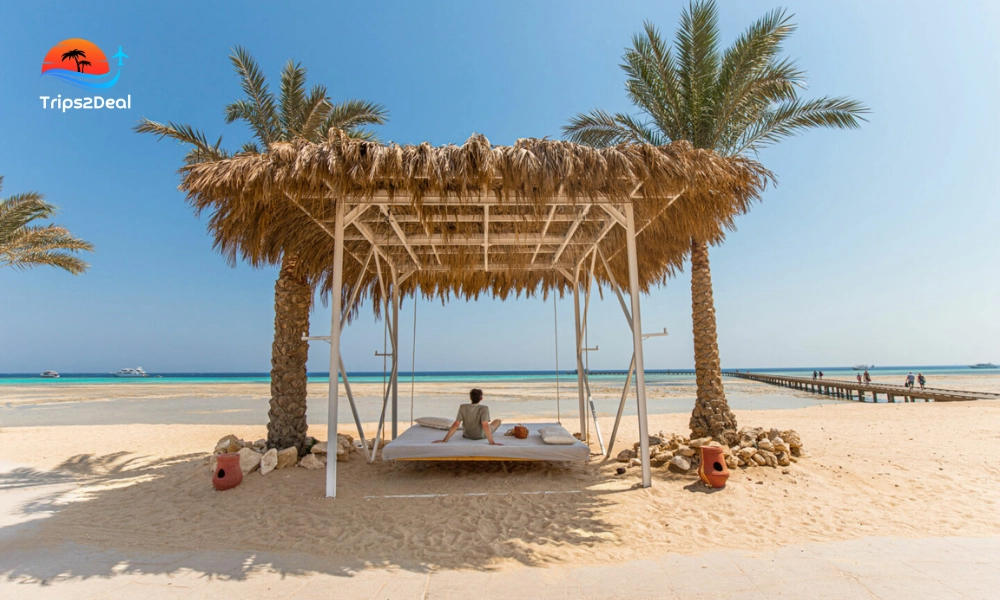
Yes, hotels and resorts are operating normally and open for tourists without any major changes in pricing and schedules. Reuters reported that the country recorded about 19 million tourists in 2025 and is targeting 30 million annual visitors by 2030. There is also a new $1 billion Red Sea marina and hotel development reported in February 2026. This emphasizes the country’s attention towards tourism.
That wider trend matters because it supports hotel activity in the main tourism belt:
Most mainstream tourist activities are still running in Egypt’s main tourism zones.
Snorkeling, diving, and boat tours are still part of the active tourism offer in Red Sea destinations. Egypt’s official tourism platform highlights Hurghada, Sharm El Sheikh, Soma Bay, and Marsa Alam as major marine tourism areas. It notes the Red Sea has more than 300 coral species and over 1,000 fish species. That shows Red Sea tourism remains one of Egypt’s biggest working travel products.
It is one of the best tourist activity for adventure lovers and nature explorers. Desert safaris, quad biking, and sand activities are still promoted through Egypt’s official tourism channels. However, travelers should confirm with hotels or licensed operators before going, especially for remote excursions. That is a practical step during any period of regional tension.
Egypt's cultural offerings are as appealing as ever for visitors interested in spending time at the ancient wonders that are over 4500 years old. Given the historical tours that are offered with licensed guides and pre-made itineraries, the tourist economy in this area will remain strong for the foreseeable future.
In all of Egypt's main cities, the transportation services are operating as usual and have not experienced recent changes. Travel around the main tourist areas is hassle-free and, as a result, visitors can seamlessly travel between airports, hotels, and tourist sites.
For the majority of visitors, the hotel-arranged transfers, licensed private transport, and ride apps are the most secure ways to travel, as opposed to street pickup services.
Yes, tourist markets in the main visitor areas are open. Khan al-Khalili, located in Cairo, is a famous bazaar for tourists interested in purchasing gifts, lanterns, spices, jewelry, and local crafts. Visitors to the active resort cities are also able to shop at the markets, although the level of business can fluctuate based on the season and time of day.
Restaurants and cafés are operating in the main tourist areas. But visitors in April 2026 should remember that the travel environment is still shaped by the Ramadan period and its after-effects in some places.
Egypt in April 2026 is not simply cheap or expensive across the board. Travelers are more likely to find value by booking early, choosing flexible fares, and focusing on bundled services such as airport transfer plus hotel or tour combinations.
Even doors of tourism are still open in Egypt, the government needs to take preventive measures. For most tourists, the safe zones are Cairo, Hurghada, Sharm El Sheikh, Luxor, and Aswan, along with following travel SOPs for restricted areas. The UK government continues to advise against travel to North Sinai and the Egypt-Libya border area, with additional caution for some other zones. For most tourists, that means sticking to the well-known tourism corridor and avoiding off-route travel.
© 2025 trips2deal. All rights reserved