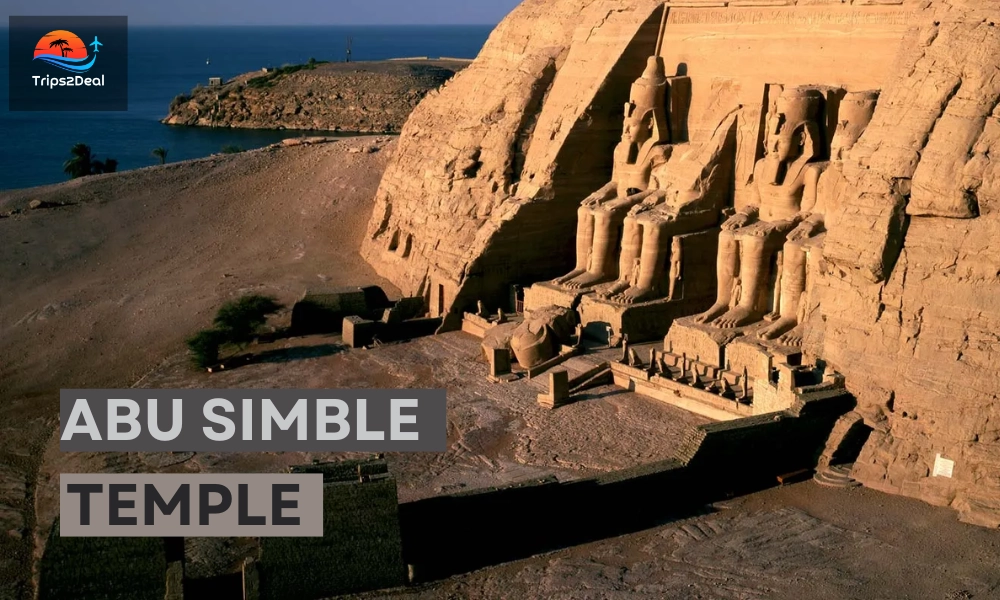

Most Abu Simbel day trips from Aswan start very early, often before sunrise. The journey is long, the wake-up time can feel difficult, and many travelers ask the same question before booking: Is Abu Simbel really worth the early morning trip from Aswan? For most visitors, the answer is yes. This guide explains what to expect from an Abu Simbel day trip from Aswan, why tours leave so early, who should visit, and how to decide if the trip is right for your Egypt itinerary.
Abu Simbel is located in southern Egypt, near Lake Nasser and close to the Sudanese border. It is much farther south than Aswan, which is why the journey takes time. There are most tourists prefer to visit Abu Simbel from Aswan by road. The drive usually takes around 3 to 3.5 hours each way, depending on road conditions, tour type, stops, and convoy or security arrangements.
Most Abu Simbel tours leave early for practical reasons. The temples are far from Aswan, and the desert journey takes several hours. Starting early helps travelers arrive before the hottest part of the day and return to Aswan with enough time for other travel plans.
Early departures also help with:
The early wake-up can feel difficult, but it improves the overall experience. Abu Simbel is much more enjoyable when you arrive before the sun becomes too strong.
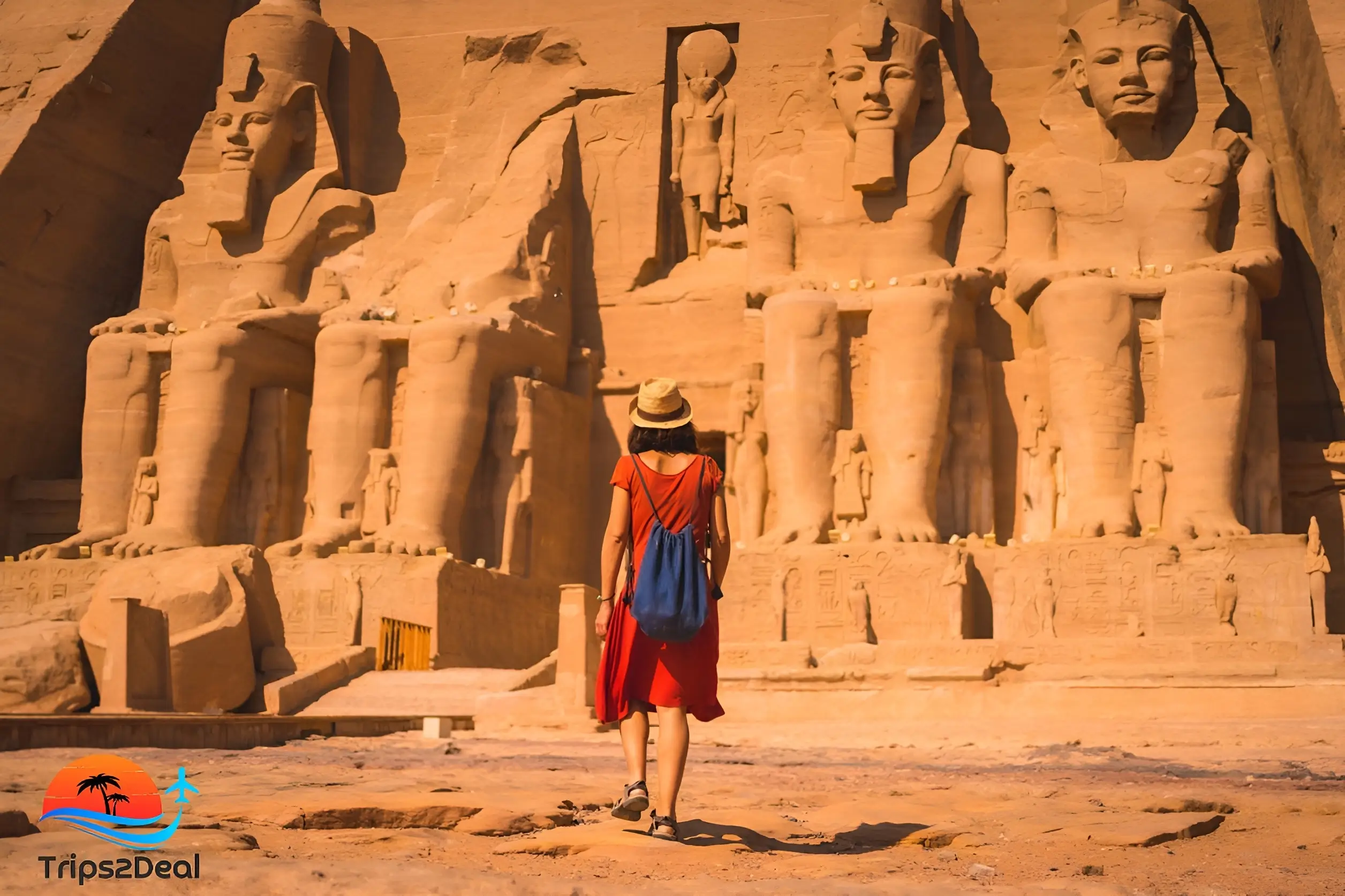
Abu Simbel is special because it combines ancient power, dramatic design, royal symbolism, and modern rescue engineering in one place.
The site has two main temples:
Both temples were carved into the rock more than 3,000 years ago. They were built to show royal power, religious devotion, and Egypt’s influence in Nubia.
The temples are also famous because they were moved in the 1960s to save them from flooding after the construction of the Aswan High Dam. That relocation project is one of the most impressive archaeological rescue efforts in modern history.
Best for: Iconic statues, ancient power, temple photography, and royal history
The Great Temple of Ramesses II is the main reason most travelers visit Abu Simbel. Its entrance is guarded by four enormous seated statues of Ramesses II. These statues are among the most recognizable images in Egypt.
Standing in front of them is the moment most visitors remember. The size, detail, and desert setting make the temple feel powerful even before you enter.
Inside and outside the Great Temple, travelers can experience:
This temple was designed to impress. It showed the strength of the king, the power of Egypt, and the connection between the pharaoh and the gods.
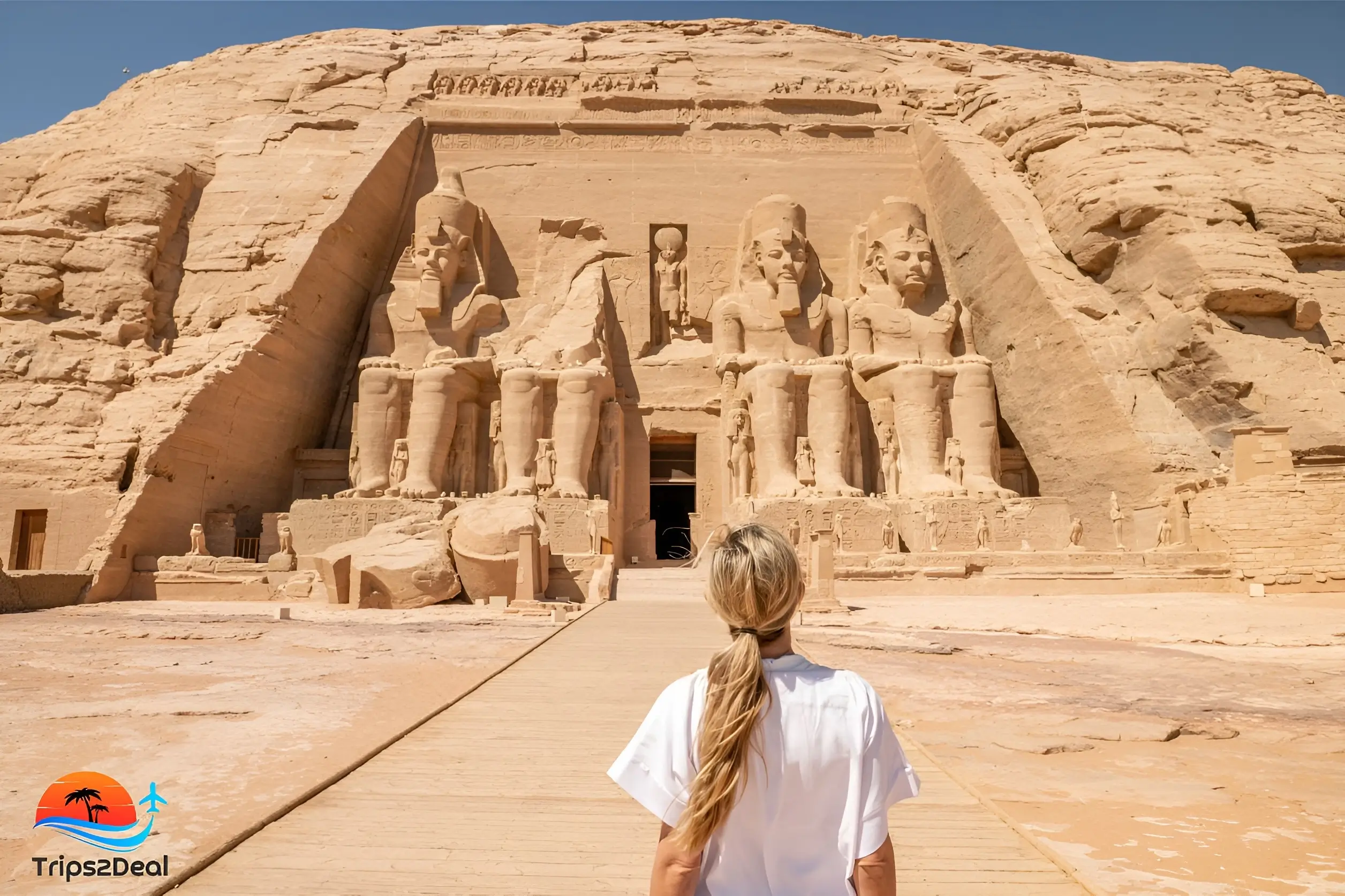
Many Egyptian temples are impressive, but Abu Simbel feels more dramatic because of its location and scale. It is not in the middle of a busy city. It stands in a wide southern landscape near Lake Nasser, giving the site a more remote and monumental feeling.
The Great Temple is ideal for travelers who want that “wow” moment in Egypt.
Best for: Royal history, elegant design, and a more intimate temple experience
The Queen Nefertari and the goddess Hathor are small ones that are located exactly next to the Great Temple. Although smaller, it is extremely important and often becomes a favorite for visitors who appreciate detail and symbolism.
This temple has unique features because Nefertari is shown with unusual prominence. Their statues stand beside those of Ramesses II, reflecting her importance and status.
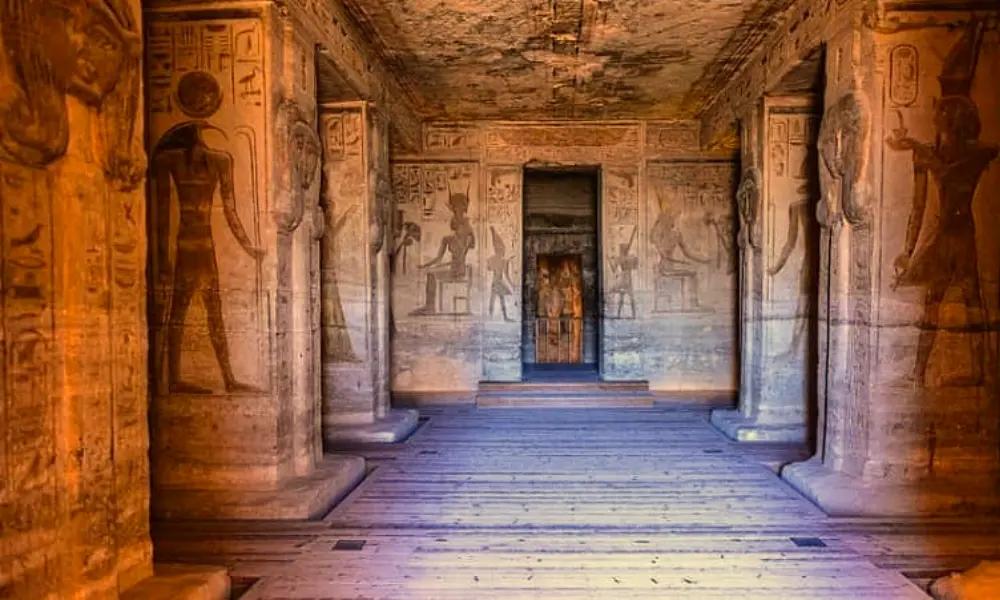
Visitors can expect:
The Small Temple gives balance to the visit. The Great Temple feels grand and commanding. On the other hand, the Small Temple feels more personal and refined.
One of the most important reasons Abu Simbel is worth visiting is its relocation story. When the Aswan High Dam was built, rising water from Lake Nasser threatened several ancient Nubian monuments, including Abu Simbel. This is the reason an international rescue project was announced whose purpose was to move them to higher ground to save them. The temples were carefully cut into large blocks, relocated, and reassembled in a new position.
This means Abu Simbel is both:
A day trip to Abu Simbel is usually simple but long. The structure depends on whether you book a private tour, group tour, or cruise-arranged excursion.
A common itinerary looks like this:
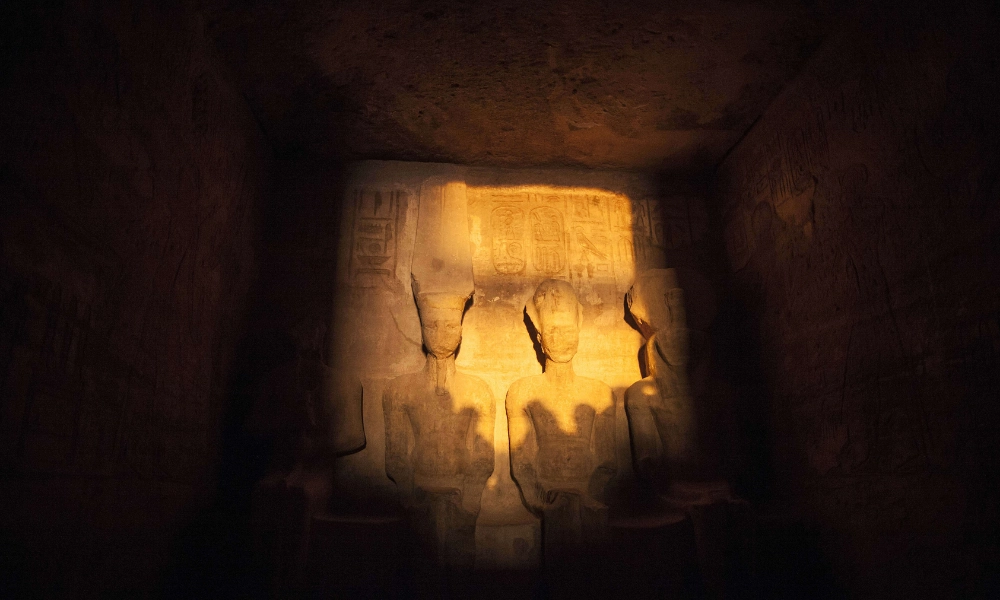
The best time to visit Abu Simbel is usually during the cooler months, from October to April. During this period, sightseeing is more comfortable, especially because Abu Simbel is in southern Egypt, where temperatures can become very high. Summer visits are possible, but the heat can be intense. Early departure becomes even more important during hot months.
For the best experience:
Because the trip starts early and involves several hours on the road, packing properly makes the day easier.
Bring:
If you are traveling with children, also bring extra snacks, tissues, and something quiet for the drive.
The travelers must be aware of all kinds of situations in tourist places. Here, Abu Simbel is worth visiting, but travelers should know the downsides before booking.
These possible disadvantages can happen:
These downsides are real, but for many visitors, the experience at the temples outweighs them.
Some travelers choose to fly from Aswan to Abu Simbel instead of driving. Flying can reduce travel time, but it may cost more and depends on flight schedules.
Flying may be better if:
There are tourist who prefers to choose driving, which is more common because it is easier to arrange, often cheaper, and works well with tour schedules.
Yes, Abu Simbel is worth the early wake-up for most travelers visiting Aswan. The travelers say that the journey is long, but the reward is strong. The temples are massive, beautiful, historically important, and completely different from most other sites in Egypt. The Great Temple of Ramesses II, the Small Temple of Queen Nefertari, the Lake Nasser setting, and the relocation story make Abu Simbel one of the most memorable experiences in southern Egypt.
© 2025 trips2deal. All rights reserved