

A 3-day Luxor itinerary covers the East Bank temples, the West Bank tombs and mortuary temples, and one signature experience, such as a hot air balloon plus a temple day trip beyond Luxor. It helps you see the highlights without rushing.
Luxor lets you move through multiple eras of Ancient Egypt in one city. The trick is choosing the right route order, starting early, and pacing around the heat.
Keep one evening free for a Nile walk.
This is your big picture day. You cover the landmarks that define Luxor.

Start at Karnak Temple early, when it is cooler.
Practical tip
Walk slower than you think. Karnak rewards calm attention more than speed.
Valley of the Kings
Tombs are about detail, not quantity.
How to make it worth it:
Temple of Hatshepsut
A standout for architecture and landscape.
What makes it different:
Colossi of Memnon
A short, iconic stop that resets your day.
Finish with Luxor Temple when the air is softer.
Why Luxor Temple work later
Day 1 pros and cons
Pros: essential highlights in one day
Cons: long day, so do not overpack it
Day 2 is what makes Luxor feel complete. You add depth, variety, and quieter sites.
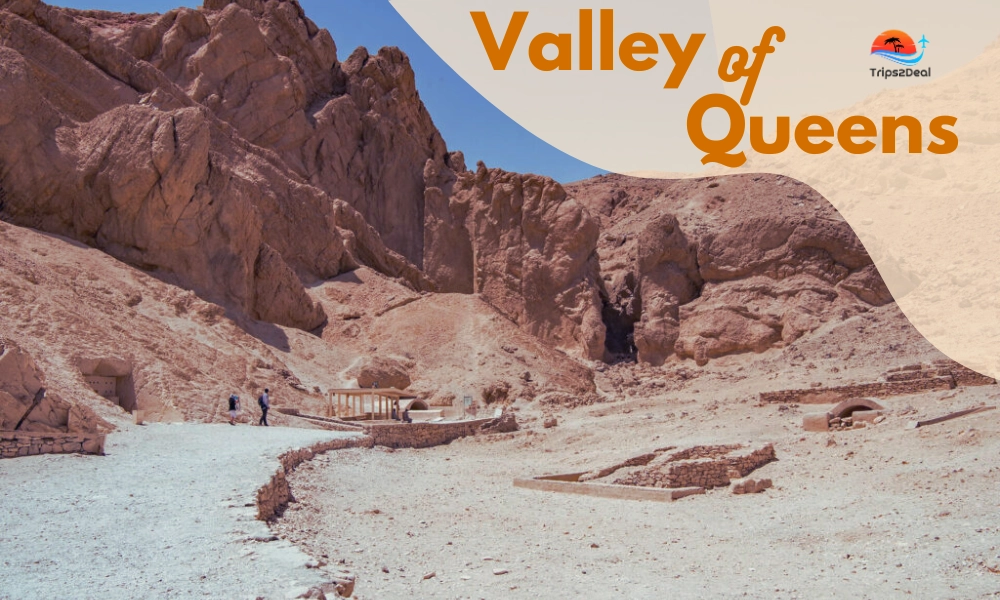
Often calmer than the Valley of the Kings, with a different tomb perspective.
Why is it worth your time
A top choice for big walls and readable reliefs.
How to enjoy it
This is where Luxor becomes human.
Why does it change your perspective
A ruins with meaning stop that works best with explanation.
What to focus on
Day 2 pros and cons
Pros: deeper understanding and better pacing
Cons heat adds up, so shade breaks matter
Day 3 is your signature morning plus a strong temple route outside Luxor.

Plan for early morning when the light is dramatic.
What to expect
Important reality check
Flights depend on the weather, so keep your plan flexible.
A full day that adds temples you will not see in Luxor.
Temple of Edfu
Often loved because the layout feels clear and complete.
What makes Edfu strong
Kom Ombo Temple
Distinct because it is a dual temple concept.
Why do travelers enjoy it
Day 3 pros and cons
Pros: unique experiences beyond Luxor
Cons: long road day, plan comfort and water
1. Heat and walking
Midday slows everyone down. Your best hours are early morning and late afternoon.
2. Site sequencing
West Bank sites are spread out. If you zigzag, you lose time and energy.
3. Guide context
A good guide turns carvings into stories and helps you spot what is worth slowing down for.
1. Guided day tours with transport
2. Private driver only
3. DIY taxis
Bring
Daily habits that save energy
Luxor rewards travelers who plan with purpose, not pressure. In three days, you can experience the city’s most important temples, step into the West Bank’s deeper history, and finish with one signature moment that makes the whole landscape make sense. The key is simple: start early, keep your route efficient, and protect your energy with shade breaks and steady pacing. Choose quality guiding and smooth transport when time is limited, because it reduces stress and improves understanding. If you want the most complete experience, follow this structure, then leave your evenings light for rest, reflection, and a calm Nile-side walk.
Are three days enough to explore Luxor completely?
Yes, if you cover East Bank highlights, West Bank highlights, a deeper West Bank day, and one signature day beyond Luxor.
What is the best order for Luxor in three days?
Day 1 essentials, Day 2 deeper West Bank, Day 3 balloon plus Edfu and Kom Ombo.
Should I visit the West Bank in the morning?
Yes. West Bank sites are exposed and walking heavily. Early hours are most comfortable.
Do I need a guide in Luxor
Not required, but a good guide improves understanding and saves time.
© 2025 trips2deal. All rights reserved