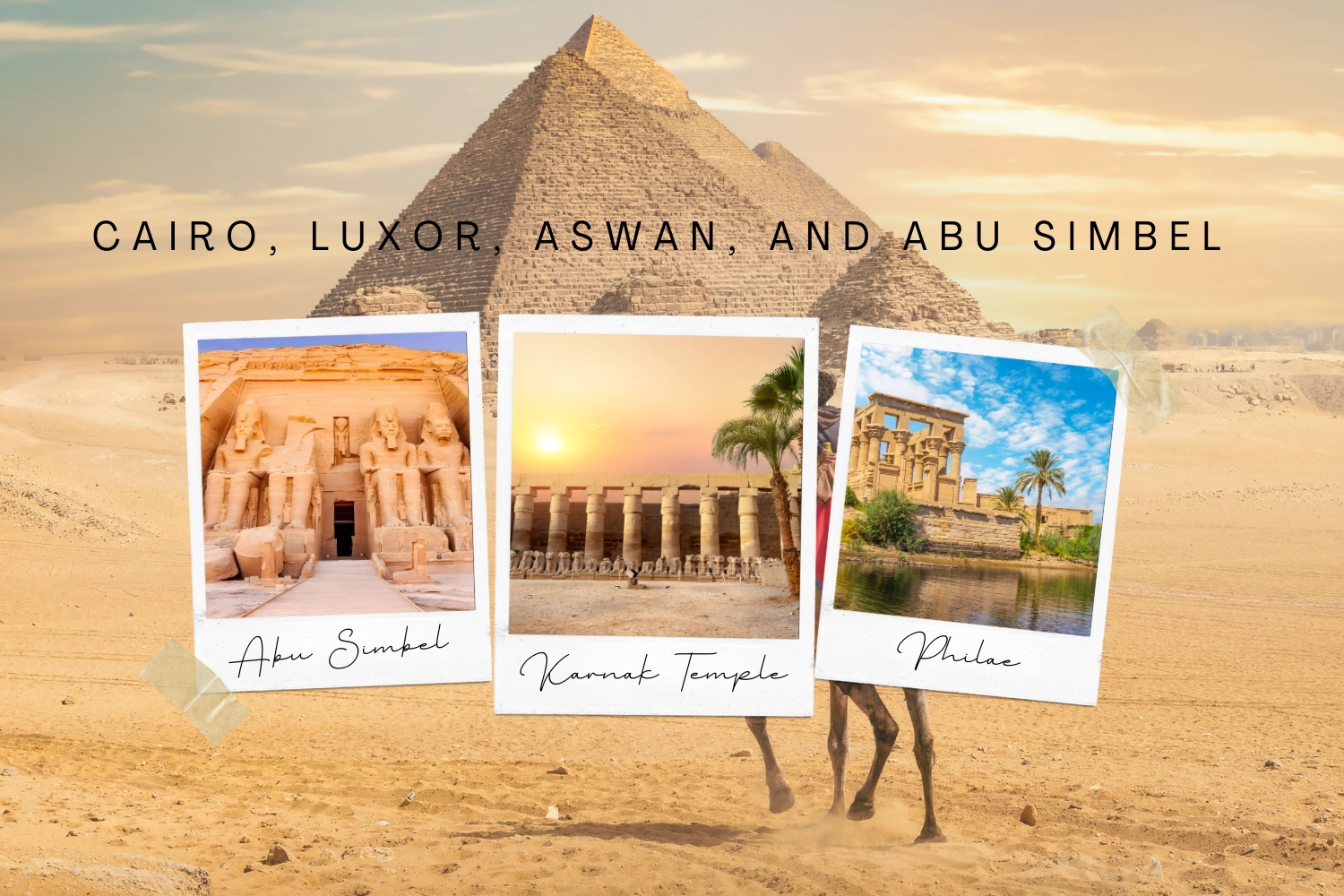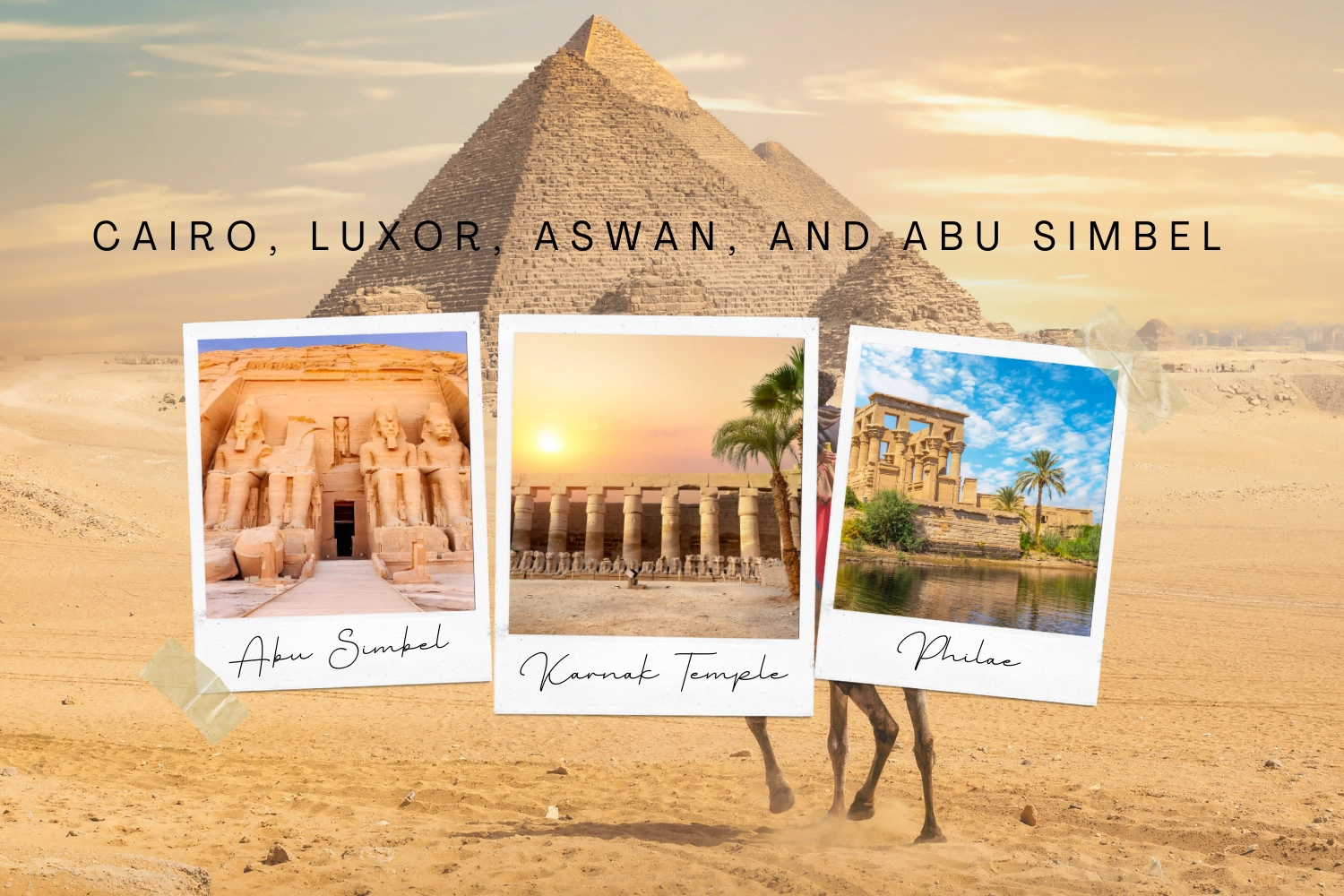

Egypt is not a destination where every major attraction sits in one city. Cairo gives you the Giza Pyramids, Great Sphinx, Egyptian Museum, and Nile dinner atmosphere. Luxor takes you into the world of royal tombs, temples, and pharaonic power. Aswan adds the beauty of the Nile, the High Dam, Unfinished Obelisk, Philae Temple, and the unforgettable journey to Abu Simbel. This guide will tell you the best way to explore Egypt three cities Cairo, Luxor and Aswan in 6 ways.
A 6-day Egypt route works best when it focuses on the country’s strongest historical triangle: Cairo, Luxor, and Aswan.
Best for: Soft arrival, first impressions, and relaxed evening culture
Your 6-day Egypt journey starts in Cairo, where a representative meets you at the airport and assists with arrival formalities. This is especially helpful for first-time visitors because Cairo Airport can feel busy if you are arriving after a long international flight.
The itinerary includes a Nile dinner with a belly dancing show, giving travelers a relaxed introduction to Cairo’s evening atmosphere.
Why This Day Works Well
A good arrival day should balance comfort with excitement. For travelers coming from long-haul flights, this is a practical and enjoyable start.

Best for: First-time visitors, ancient wonders, and iconic Egypt sightseeing
Day 2 focuses on Cairo’s ancient highlights before continuing onward to Luxor.. After breakfast, your guide takes you to the Giza Pyramids Complex, one of the most famous archaeological sites in the world.
The Giza Pyramids Complex is located on the outskirts of Cairo and includes the Great Pyramid, other royal pyramids, the Sphinx, and associated temples. This is the classic Egypt moment that many travelers dream about before arriving.
At Giza, travelers can see:
The Great Pyramid of Giza is the largest and oldest of the three main pyramids at Giza. The itinerary notes that it was built more than 4,500 years ago as King Khufu’s tomb. This stop gives travelers a real sense of ancient Egyptian scale.
The Great Sphinx is one of Egypt’s most recognizable monuments. It has a lion’s body and a human head and stands near the pyramids on the Giza Plateau.
Nearby, the Valley Temple adds deeper context. The tour page describes it as an ancient mortuary temple connected with mummification and royal burial traditions.
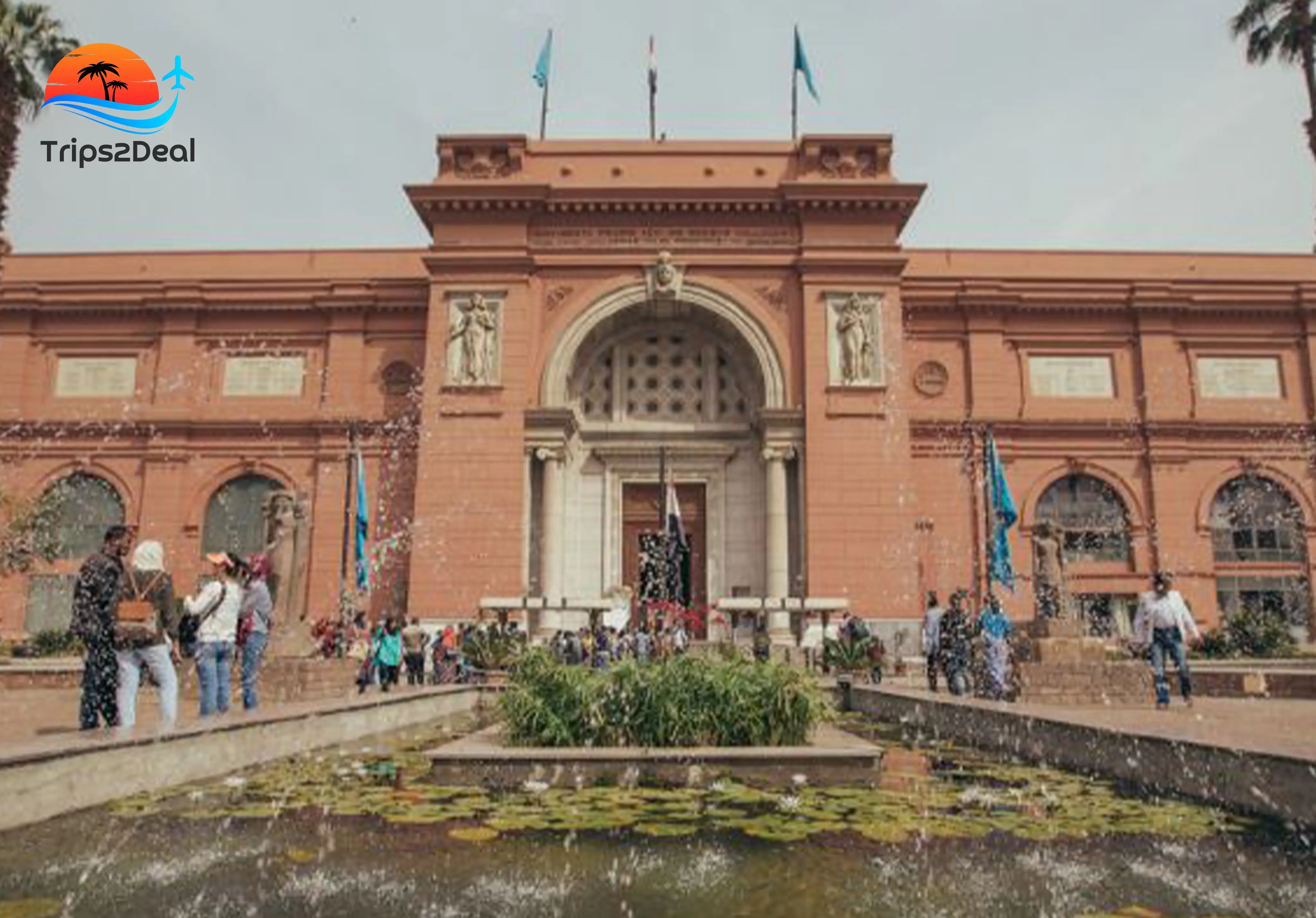
After lunch at a local restaurant, the itinerary continues to the Egyptian Museum. The museum is valuable because it turns ancient Egypt from stone monuments into real objects: statues, jewelry, coffins, tools, royal artifacts, and daily-life pieces, including treasures connected to Tutankhamun.
A museum visit is best for:
Best for: Temples, tombs, royal history, and deep ancient Egypt
Day 3 brings travelers into the heart of ancient Thebes. Luxor is one of Egypt’s strongest historical destinations because it includes both East Bank temples and West Bank tombs.
According to the itinerary, the day includes the Valley of the Kings, Hatshepsut Temple, Colossi of Memnon, lunch in Luxor, and Karnak Temple.
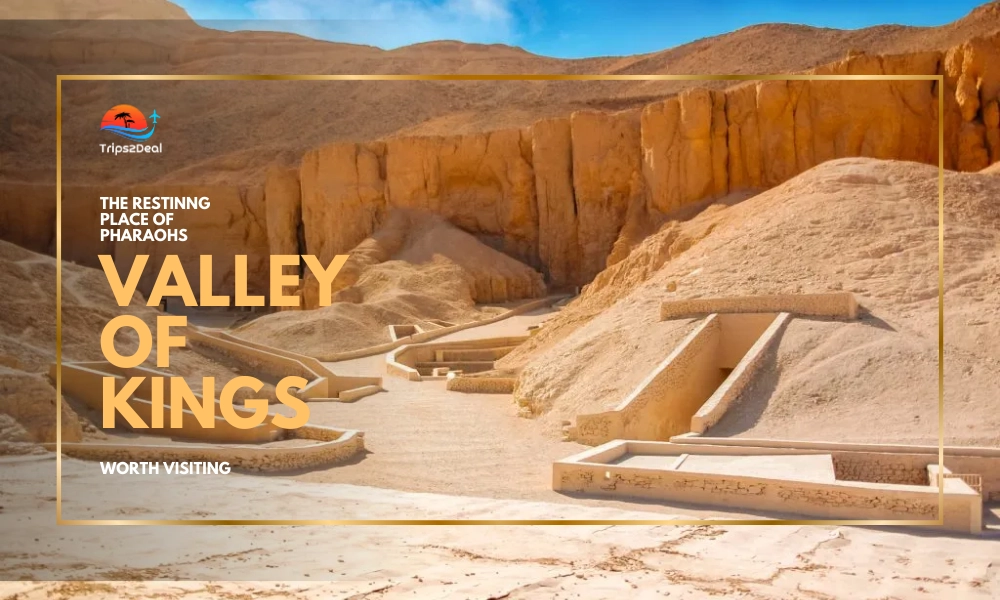
The Valley of the Kings is one of the most important archaeological sites in Egypt. It is located on Luxor’s West Bank and contains the tombs of many pharaohs and royal figures. The tomb walls often include symbolic scenes, religious texts, gods, and royal images.
Travelers can learn about:
The Temple of Queen Hatshepsut is one of Luxor’s most impressive monuments. Built on the West Bank, it is famous for its terraced architecture and dramatic cliffside setting.
The Trips2Deal itinerary describes it as a temple complex built during the reign of the female pharaoh Hatshepsut and known for impressive architecture and beautiful reliefs.
The Colossi of Memnon are two massive seated statues of Pharaoh Amenhotep III. They are located on the West Bank and are all that remains of his mortuary temple, which was damaged over time by earthquakes and floods.
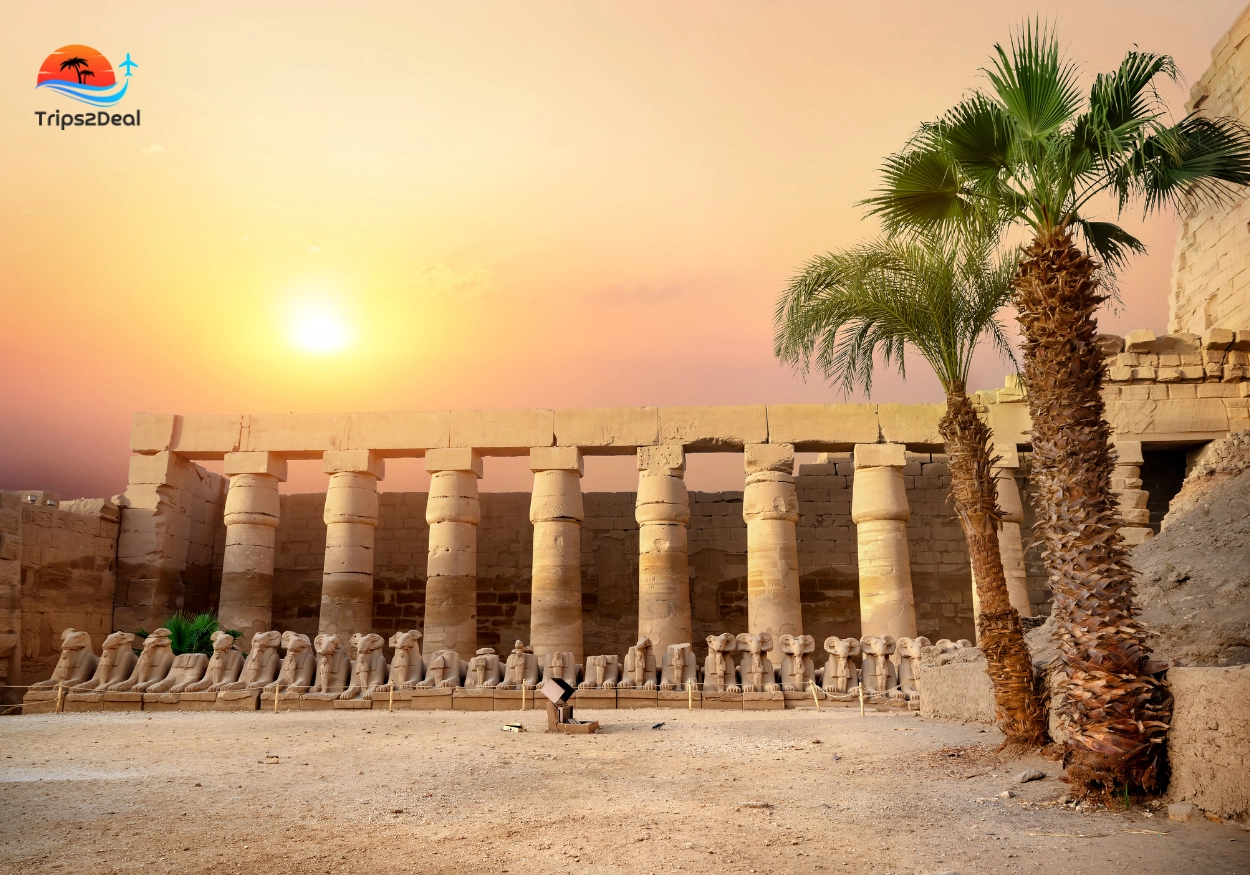
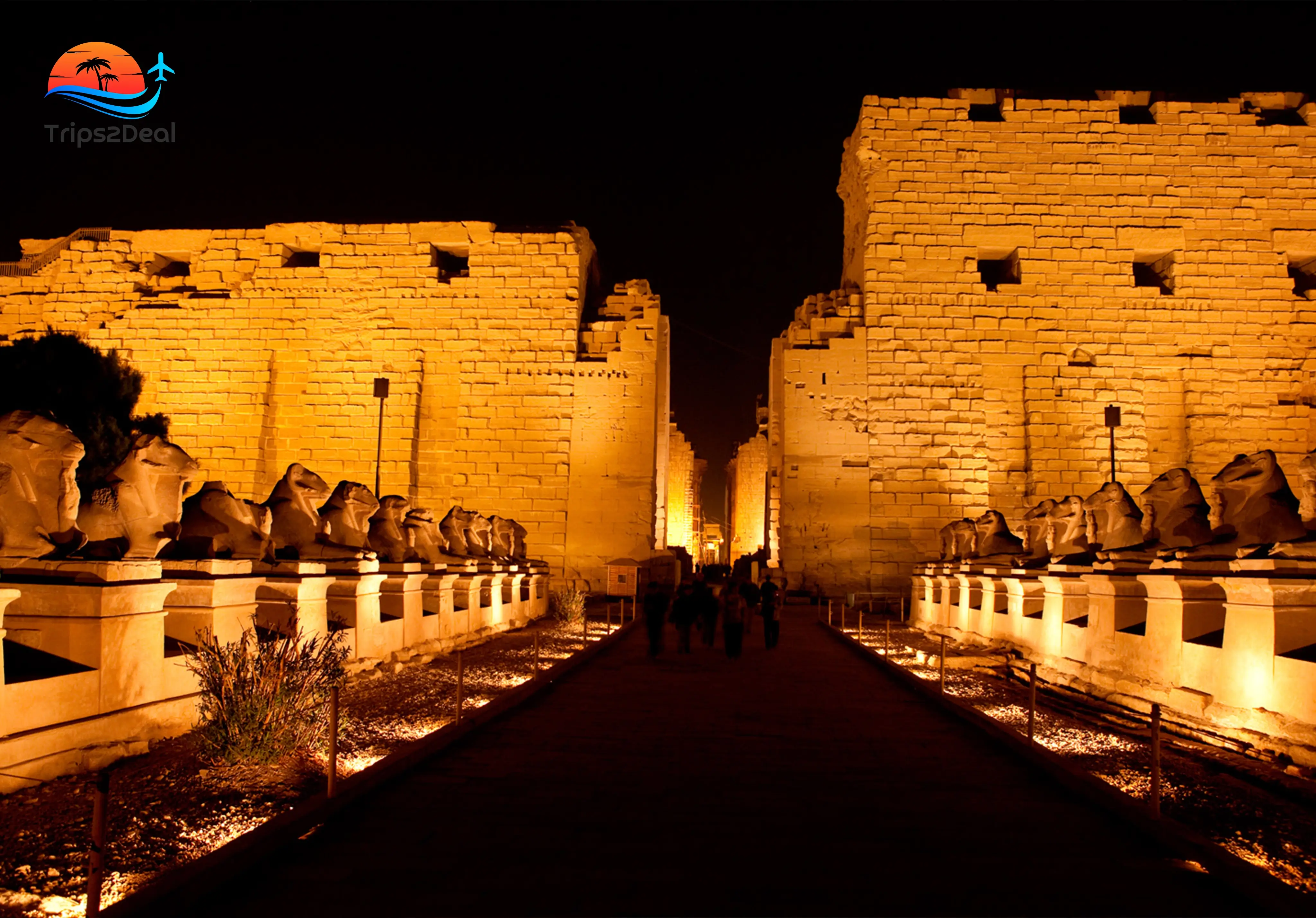
After lunch, the tour continues to Karnak Temple. The tour page describes Karnak as a temple complex built over around 1,500 years, dedicated to the worship of Amun, and known for columns, obelisks, statues, and wall reliefs.
Karnak is one of the most impressive temple sites in Egypt because of its size and architectural detail. Visitors can see:
Best for: Nile scenery, engineering history, island temples, and Aswan culture
Day 4 moves the itinerary from Luxor to Aswan by train. The Trips2Deal package includes a train ticket from Luxor to Aswan, then sightseeing at the High Dam, Unfinished Obelisk, and Philae Temple, followed by check-in at a 5-star hotel in Aswan.
The Aswan High Dam is one of Egypt’s major modern engineering projects. The itinerary describes it as an impressive achievement built in the 1960s to regulate Nile flooding and provide hydroelectric power. Ancient Egypt depended on the river’s natural flood cycle, while modern Egypt reshaped water management through the dam.
The Unfinished Obelisk is located in Aswan’s granite quarry. It was abandoned after a crack appeared in the stone, but it remains one of the best places to understand ancient Egyptian stone-working techniques. This stop is useful because it shows how monuments were created before they were moved to temples.
Philae Temple is one of Aswan’s most beautiful sites. It is located on an island and was dedicated to the goddess Isis.
Travelers enjoy Philae for:
After the Aswan tour, travelers check into a hotel for the night.
Best for: Major temple lovers, photographers, and serious Egypt history travelers
Day 5 focuses on one of Egypt’s most dramatic sites: Abu Simbel. The itinerary includes a drive to the temples, a guided visit, lunch in Aswan, and then transfer to the airport for a flight back to Cairo.
The Abu Simbel Temples are located in southern Egypt and were built during the reign of Ramesses II. The temples were moved in the 1960s to protect them from flooding caused by the construction of the Aswan High Dam.
The site includes:

Best for: Smooth ending and airport support
Day 6 is the departure day. After breakfast at the Cairo hotel, the guide assists with airport transfer and formalities so travelers can fly home after completing the route.A well-organized final transfer makes the whole experience feel complete.
Before leaving, travelers should:
The Trips2Deal page recommends bringing a hat, sunblock, sunglasses, comfortable shoes, medication, and a valid passport.
A practical packing list includes:
For Abu Simbel and Luxor, sun protection is especially important because many sites are open-air and exposed.
A 6-day journey through Cairo, Luxor, Aswan, and Abu Simbel is one of the best ways to experience ancient Egypt in a short time. The itinerary begins with Cairo’s pyramids and museum treasures, continues to Luxor’s tombs and temples, moves south to Aswan’s Nile landmarks, and finishes with the dramatic temples of Abu Simbel before returning to Cairo.
© 2025 trips2deal. All rights reserved