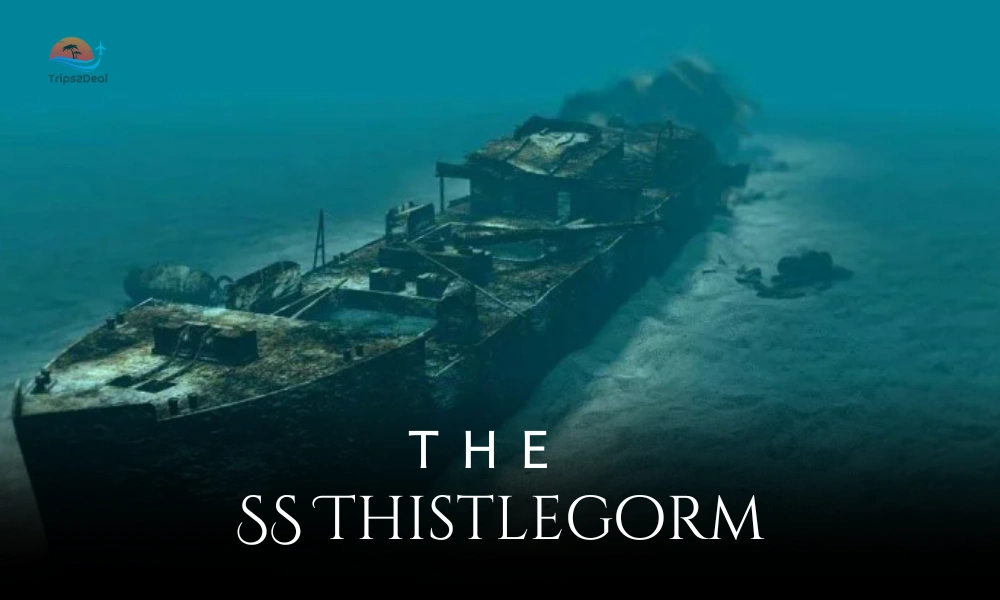

L'épave du SS Thistlegorm figure parmi les trois sites de plongée les plus prisés au monde. Située dans le nord de la mer Rouge, en Égypte, elle attire chaque année entre 50 000 et 70 000 plongeurs. Véritable capsule temporelle sous-marine, elle doit sa renommée à son incroyable cargaison datant de la Seconde Guerre mondiale, à son importance historique et à la richesse de son écosystème marin. Pour quiconque recherche une plongée alliant histoire, aventure et beauté sauvage des fonds marins, le SS Thistlegorm demeure une destination incontournable.
Le SS Thistlegorm était un navire marchand armé britannique construit en 1940. Long de 126 mètres et d'un tonnage brut d'environ 5 000 tonnes, il joua un rôle crucial dans le ravitaillement des forces alliées durant la Seconde Guerre mondiale.
Début : avril 1940
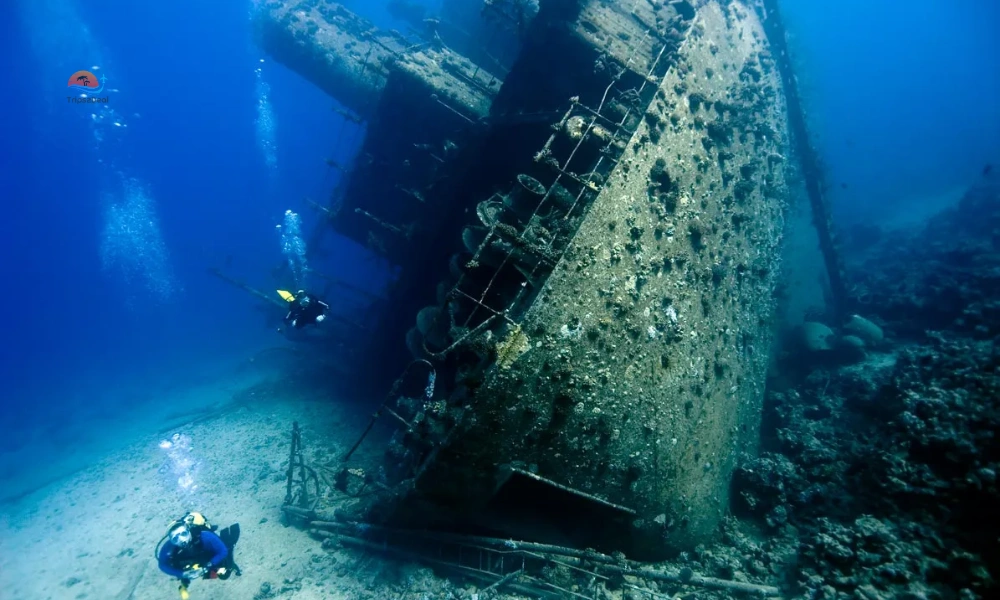
Le navire coula rapidement après une violente explosion dans la cale n° 4, dispersant locomotives et wagons sur le fond marin. Jacques Cousteau le redécouvrit au début des années 1950. Par la suite, il devint rapidement un site de plongée de renommée mondiale.
Le Thistlegorm est unique en son genre grâce à son histoire, sa biodiversité marine, sa facilité d'accès et son apparence époustouflante.
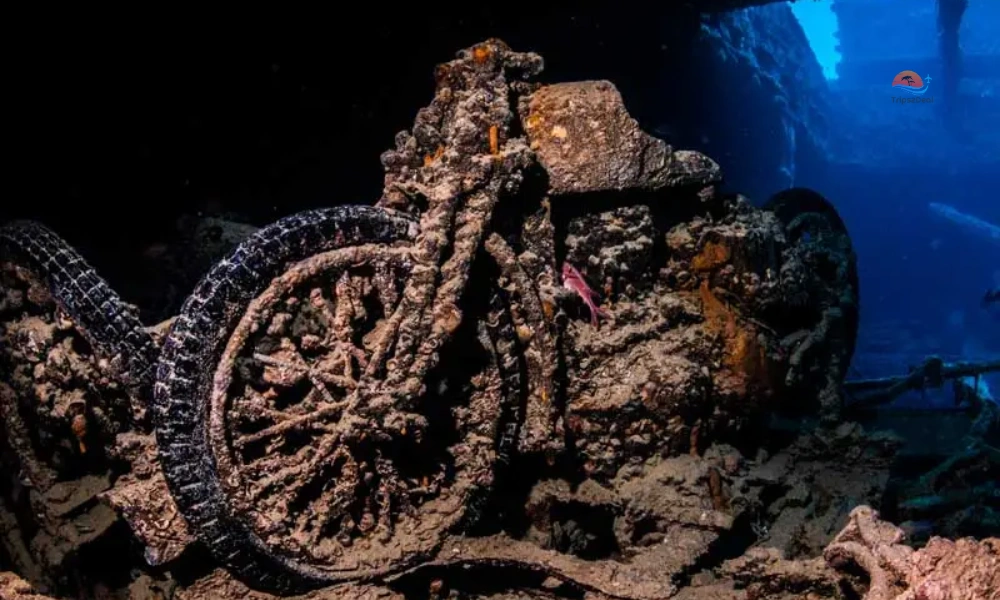
Ce niveau de conservation d'équipements authentiques de guerre est rare dans les épaves. Les plongeurs peuvent observer : des rangées de motos BSA
Environ 70 à 80 % de la cargaison est encore visible, ce qui en fait l'un des dépôts de ravitaillement sous-marins les mieux préservés de la Seconde Guerre mondiale.
L'épave est suffisamment grande pour être explorée à différents niveaux :
L'épave se situe principalement entre 15 et 30 mètres de profondeur, ce qui est idéal pour les plongeurs confirmés (niveau Advanced Open Water).
L'épave du SS Thistlegorm repose sous l'eau depuis plus de 80 ans et forme aujourd'hui un récif artificiel prospère.
À observer :
La mer Rouge est un lieu idéal pour la photographie sous-marine grâce à sa visibilité jusqu'à 20 ou 30 mètres.
L'épave se situe à 40 km de Charm el-Cheikh et à 80 km d'Hurghada, offrant ainsi de nombreuses possibilités d'excursions à la journée et de croisières plongée. Environ 60 % des plongeurs s'y rendent en bateau depuis Charm el-Cheikh.
Ce que vous verrez lors de votre plongée
Chaque niveau de l'épave recèle des merveilles.
Cales : Une véritable capsule temporelle
Les cales sont le clou du spectacle et sont souvent surnommées « un musée sous-marin de la Seconde Guerre mondiale ». Vous y découvrirez :
Cet espace est resté quasiment intact, offrant un témoignage précieux de la vie militaire en 1941.
Les trains
L'explosion a projeté deux imposantes locomotives à vapeur hors du pont. Comptant parmi les rares trains sous-marins au monde, elles offrent un sujet de photo exceptionnel.
Canons et proues sur le pont
Le Thistlegorm était lourdement armé. À l'avant, on peut encore apercevoir les canons antiaériens et les gros canons de pont, recouverts de corail. Les coraux mous qui se développent autour des canons créent de magnifiques silhouettes sous le soleil.
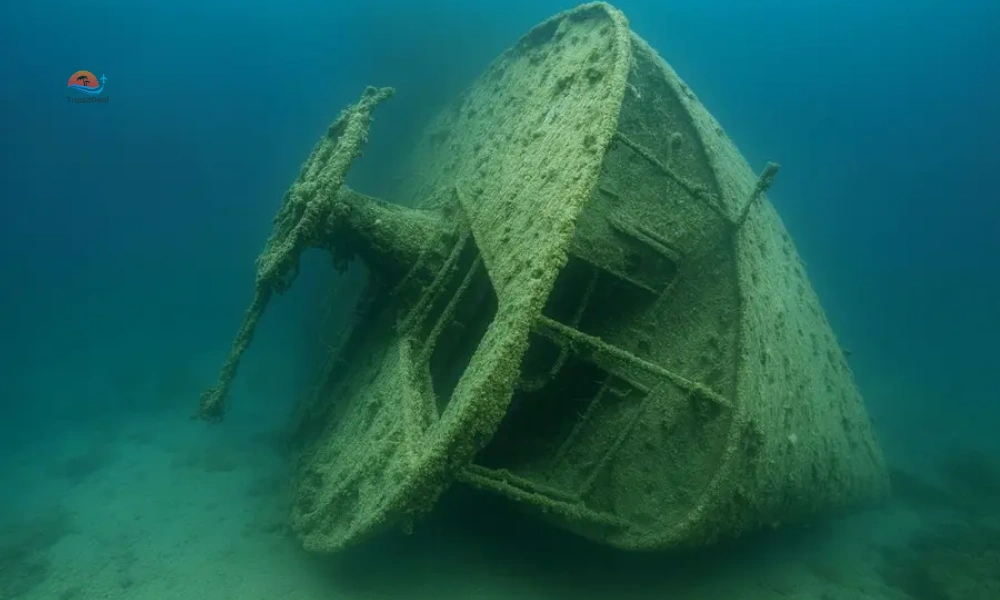
Pont et superstructure Certaines parties de la superstructure se sont effondrées au fil du temps, mais une grande partie reste accessible. Bien orientés, les plongeurs peuvent explorer les cabines, les échelles et les passages ouverts.
Plonger sur l'épave du SS Thistlegorm est une expérience enrichissante, mais il est essentiel de bien se préparer et de respecter le site.
Profondeur : 15 m au point le moins profond
La profondeur maximale est de 30 m.
Courants : Modérés à forts, surtout l’après-midi aux heures de pointe de la plongée. Visibilité : 20 à 30 mètres. Les meilleures périodes pour la plongée s’étendent de mars à juin et de septembre à novembre. Il est préférable de plonger le matin, car l’eau est plus calme et il y a moins de bateaux.
© 2021 trips2deal. Tous droits réservés