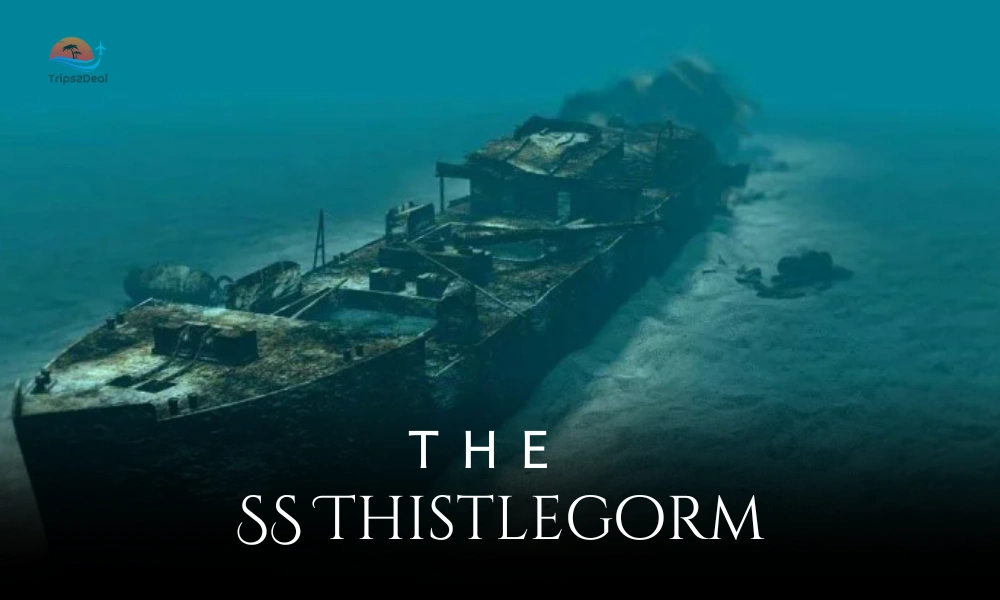

SS Thistlegorm is one of the top three wreck dives in the world. The northern Red Sea in Egypt draws approximately 50,000 to 70,000 divers each year. It is one of the most complete underwater time capsules ever found. The major reason is due to the amazing World War II cargo, its important place in history, and its healthy aquatic habitat. For anyone seeking a dive that blends history, adventure, and raw underwater beauty, the SS Thistlegorm remains unrivaled.
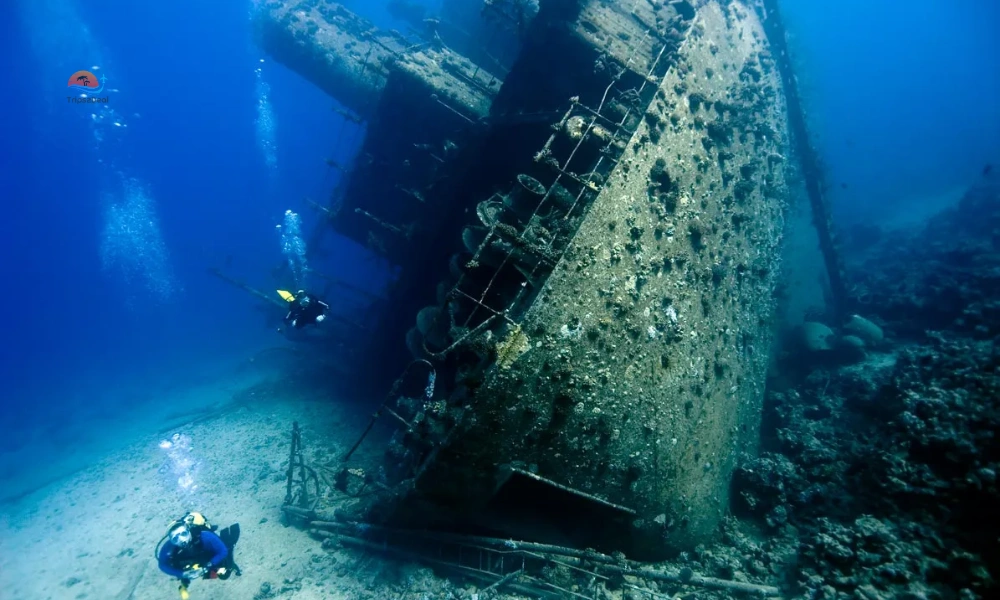
The ship sank fast after a major explosion in Hold No. 4, spreading locomotives and trucks across the seabed. Jacques Cousteau found it again in the early 1950s. Later, it quickly became a famous diving spot around the world.
The Thistlegorm is in a class by itself because of its history, marine biodiversity, ease of access, and stunning appearance.
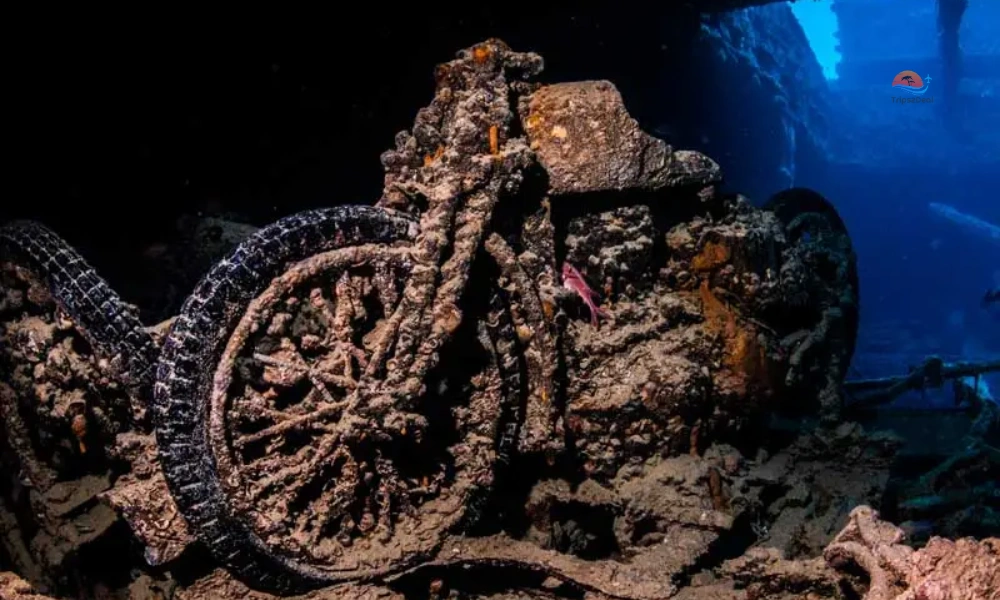
This level of authentic wartime stuff is rare in wrecks. Divers can see: rows of BSA motorcycles
About 70–80 percent of the cargo is still visible, which makes it one of the best-preserved undersea supply dumps from World War II.
The ship is big enough to explore on different levels:
The wreck is mostly between 15 and 30 meters deep, which is perfect for Advanced Open Water divers.
The SS Thistlegorm has been underwater for over 80 years and is now a thriving artificial reef.
What to expect:
The Red Sea is a great place to take pictures because you can see 20 to 30 meters.
The wreck is 40 km from Sharm El Sheikh and 80 km from Hurghada, therefore there are many options for day trips and liveaboards. About 60% of divers get to the site by boat from Sharm.
There is something amazing on every level of the ship.
The cargo holds are the best part and are often called "a submerged WWII museum." You will discover inside:
This area looks almost intact, which makes it a deep link to military life in 1941.
The explosion threw two big steam engines off the deck. These are among of the few underwater trains in the world, which makes for a great photo op.
The Thistlegorm had a lot of weapons. At the front, you can still see the anti-aircraft weapons and big deck guns that are covered in coral. Soft corals develop around the barrels, making spectacular silhouette photos when the sun shines on them.
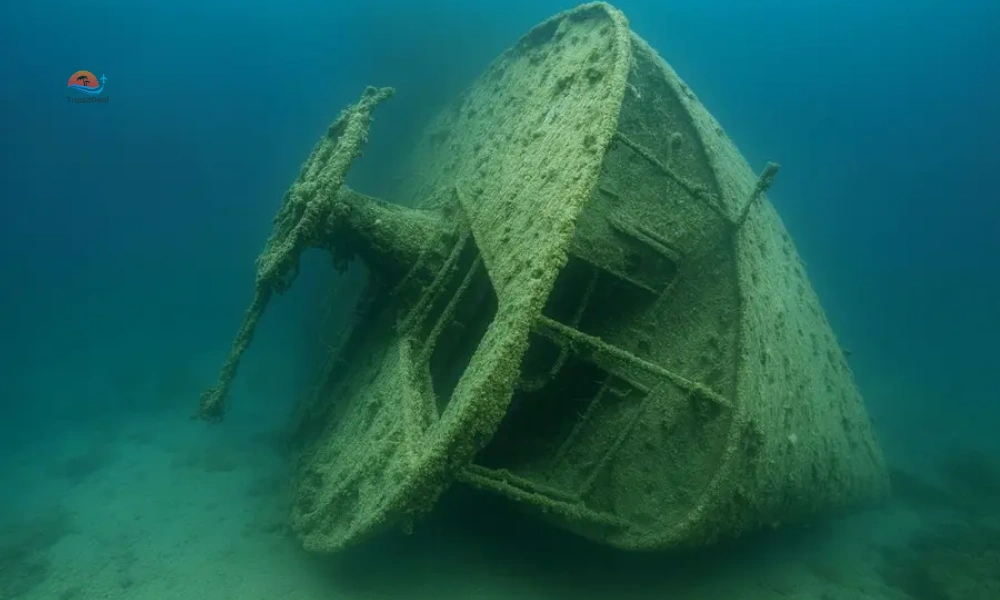
Some parts of the superstructure have fallen down over time, but much of it is still accessible. With the right direction, divers may look around cabins, ladders, and open swim-throughs.
Diving the SS Thistlegorm is fun, but you need to get ready and be respectful of the site.
Diving in the morning is better since the water is calmer and there are less boats.
Divers have to follow tight safety rules because it is one of the busiest wreck sites in the world.
Important safety tips
More than 30% of the mishaps recorded on the site are caused by other divers who don't have enough buoyancy or get stuck in muck.
The SS Thistlegorm is a great dive because it has well-preserved WWII cargo, a fascinating story about how it sank, and great visibility in the Red Sea. The rare wrecks where historical accuracy and the beauty of the water come together perfectly. Every dive shows something new: a lost boot, a car headlight, or a weapon coated in coral.
The SS Thistlegorm is a rare mix of emotion, discovery, and world-class diving conditions for underwater photographers, wreck fans, historians, and adventure divers.
© 2025 trips2deal. All rights reserved