![Sand City (Hurghada Sand Sculpture Museum)]()
Sand City, Hurghada, is also known simply as the Sand Sculpture Museum. This is one of the most unique and beloved attractions in Egypt’s Red Sea region. Encrafted entirely out of sand and water, this open-air museum combines historical icons, mythological figures, pop culture favorites, and immersive experiences. Sand City offers creativity, storytelling, and photo opportunities in spades for travelers seeking something beyond beaches and diving.
Below is a detailed guide covering its history, what you’ll see, visitor tips, challenges, and especially its future potential.
Key Facts & Historical Background
- Opening & Creation: Sand City was opened in late 2013 and early 2014, after around seven months of continuous construction.
- Scale & Materials: The museum spans about 10,000 square meters in an open-air layout. It was built using roughly 11,000 cubic meters of pure sand and 4,000 tons of water. No glue is used; instead, it's the water-sand mixture and compaction that give the sculptures their durability.
- Artistic Team: Artists from several countries, including Spain, Brazil, Egypt, and possibly others, contributed to the project.
-
Themes & Zones:
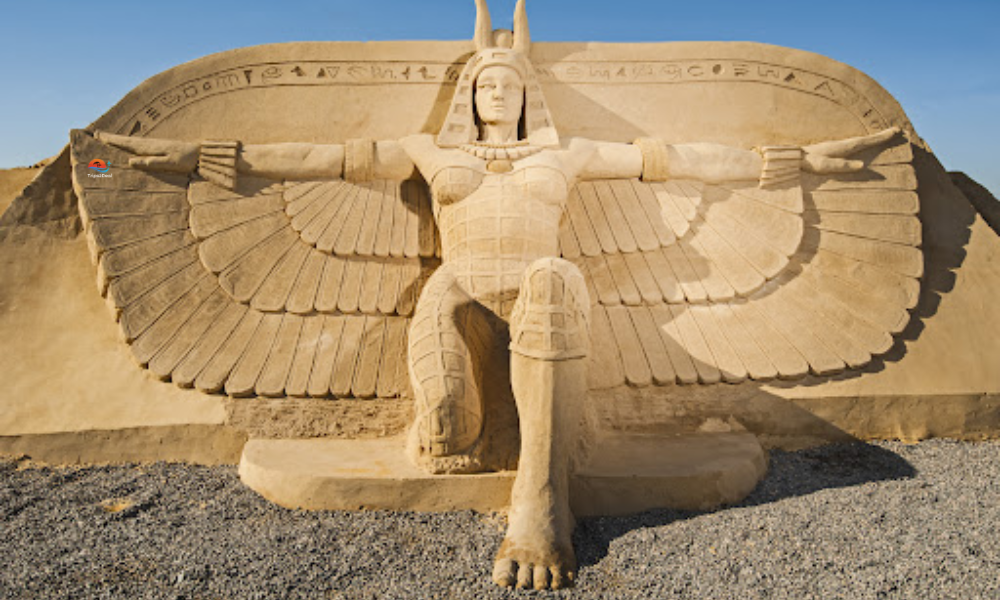
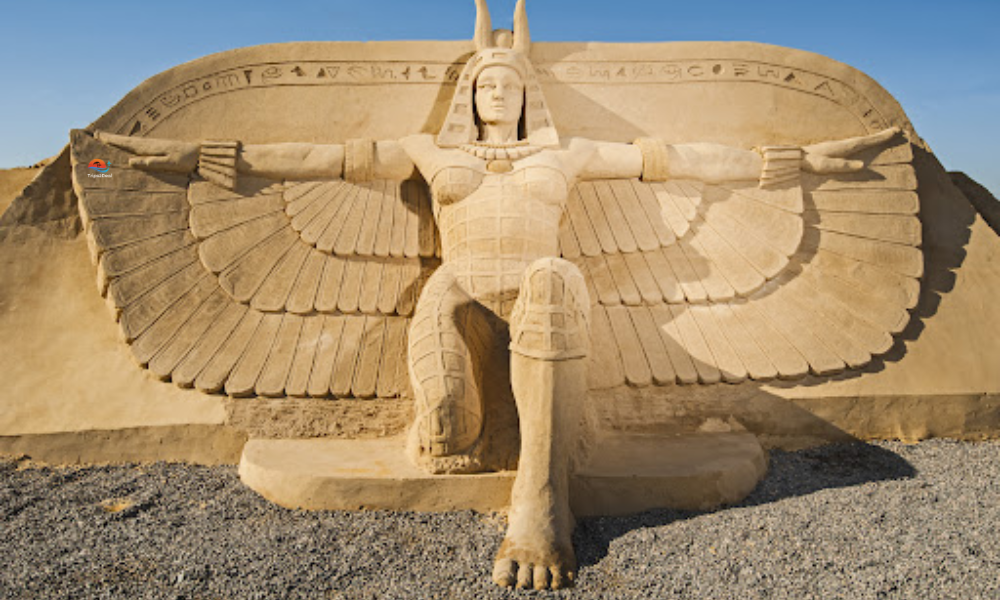
- Historical or Mythological, “Historical Art” Zone: This includes legendary figures, ancient gods and goddesses, famous military leaders, legendary myths, and relics from civilizations: about 22 sculptures plus 6 reliefs.
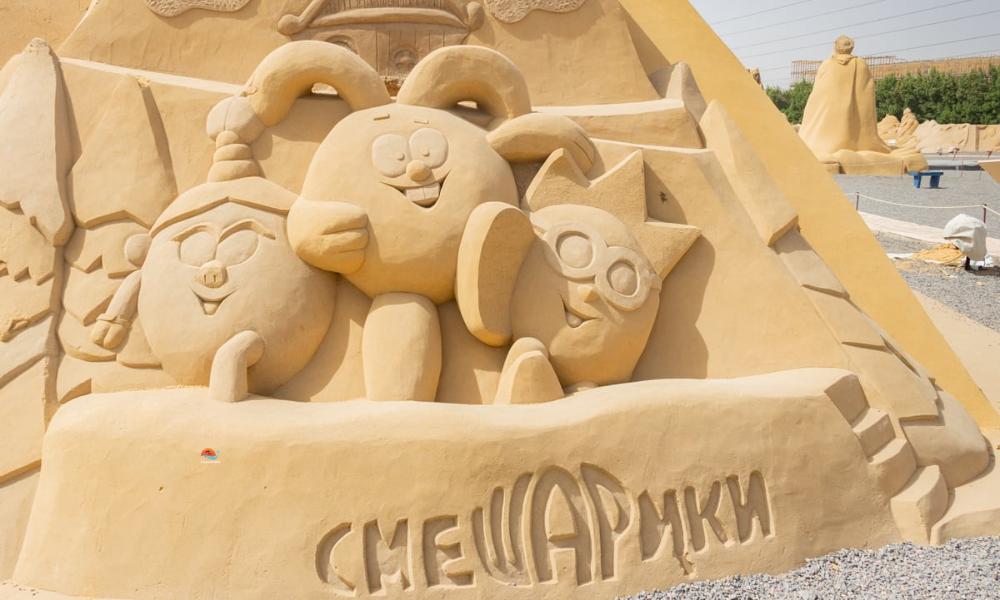
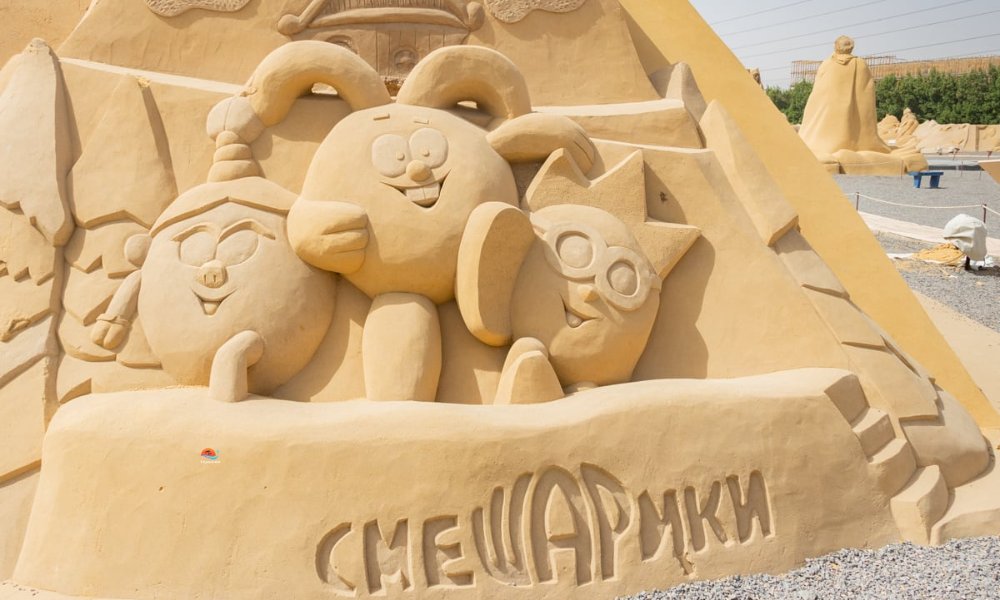
- Fantasy or Pop Culture, “Wonderland Art” Zone: Featuring Hollywood, Walt Disney-themed characters, animated personalities, cartoon heroes, etc. About 20 sculptures and 11 reliefs.
- Features & Amenities: On-site, there is a café “KAFFICHO”, a shopping square or souvenir shops, a kids’ playground with a workshop called “Magic Castle”, rest areas, shaded zones, etc.
What It’s Like to Visit: Exhibits & Visitor Experience
Sculptures & Highlights
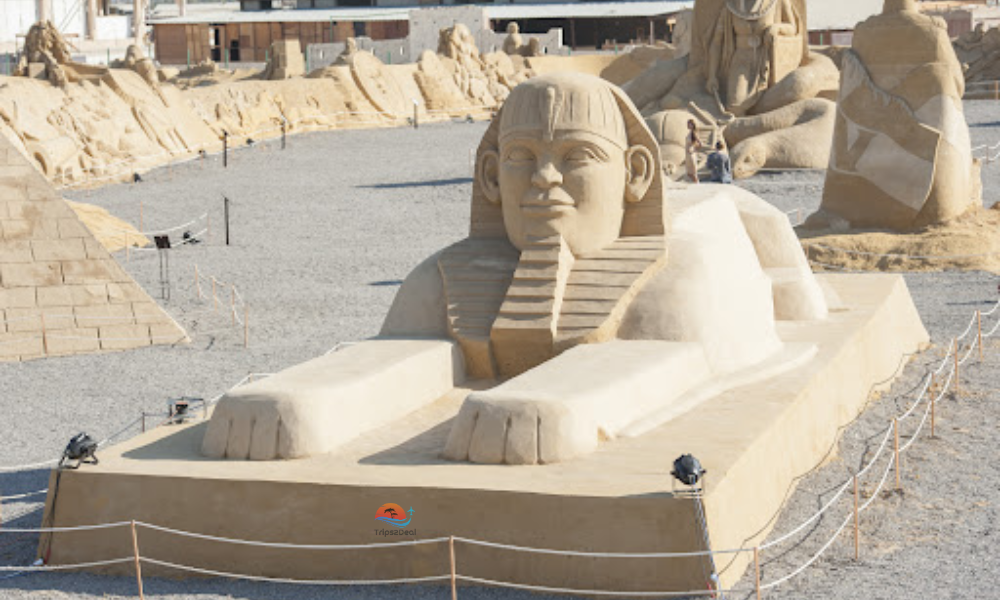
- The sculptures include ancient Egyptian icons like Queen Nefertiti, Anubis, the Sphinx, and mythological gods. This also includes globally-recognizable pop culture characters such as Spider-Man, Disney characters, and animated favorites as well.
- Both zones offer contrasting styles: This is one that transports you back to ancient myth and history; the other is playful, imaginative, and fun, especially for younger visitors.
Visitor Logistics & Tips
- Location: Sand City is located on Safaga Road, Hurghada 1, Magawish district, relatively close to many hotels and tourist areas.
- Opening Hours: Generally open daily from 9:00 AM to 7:00 PM.
- Length of Visit: Visitors typically spend between 1 to 1.5 hours walking through both zones and enjoying the sculptures. If you include breaks, photos, and relaxing, allow 2 hours.
- Temperature / Best Time to Go: Because it’s outdoors, the weather is a factor. The best seasons are October-April. Because there are winter and spring seasons when it's cooler. If visiting in summer, go early morning or late afternoon to avoid the strongest sun. Sunscreen, hat, and comfortable shoes are recommended.
Amenities & Accessibility
- Restrooms, shaded rest areas, seating, and places to get refreshments are available. Café & souvenir shops make for convenient breaks.
- Kids Workshop: children can try hands-on sand sculpting “Magic Castle”, which makes the visit more interactive for families.
- Access: Taxis are easy; also, minibuses and public transport options. Many hotels can arrange transfers. It’s about 15 minutes from Hurghada International Airport. This is actually 20 minutes from downtown in many cases.
Strengths & Challenges: What Makes Sand City Hurghada Still Worthwhile
What Works Well
- Originality & Unique Appeal: There are few museums like this in the Middle East / Africa. The blend of art, history, and pop culture is rare. Offers something different from typical museum or beach activity.
- Family-Friendly: It caters to all ages: kids, teens, adults. Fantasy sculpture zones and workshops make it engaging for children.
- Photo-Friendly: Sculptures are very visual, pretty much made for photos. This is a symbol of an attraction that is good for social media, and travel bloggers, etc.
- Accessibility: Reasonably easy to reach from key locations, with tourist infrastructure.
What Could Be Better
- Weather Exposure: As an outdoor museum, the sculptures endure sun, wind, occasional rain, etc. Maintaining them against erosion is an ongoing challenge.
- Shade / Comfort: Some visitors mention limited shaded zones, making midday hotter than ideal.
- Size vs Expectations: A few reviews say that while the art is impressive, the area is somewhat compact and could be larger. Some sculptures may be smaller than expected or details less sharp in certain zones.
- Maintenance & Restoration: Frequent repairs needed; keeping surfaces fresh, protecting from elements, ensuring colors, etc., remain good.
Why It Matters: Cultural, Educational & Tourism Impact
- Cultural Storytelling: Sand City allows visitors to interact with stories from ancient Egypt and world myths in a tangible way. It helps preserve and share Egyptian history and myth in a format that's accessible and visually striking.
- Tourism Diversification: Hurghada is best known for its beaches, diving, and marine life. Attractions like Sand City help diversify what visitors can do: art, culture, and family experiences. This helps in increasing the length of stay and appeal for different kinds of travelers.
- Skill & Artistic Excellence: The museum highlights sculptors’ skills and craftsmanship. It encourages appreciation of art forms beyond traditional media like stone, paint, etc.
- Educational Value: For schools, young travelers, history buffs, and art lovers, it's a living gallery. The workshops and informative displays help in learning.
Tour
Mini Egypt & Sand City
With tour guide
Future Outlook: Where Sand City Could Go
Below are projections, ideas, and recommendations for how Sand City can continue to grow, maintain its reputation, and enhance visitor experience.
- Enhanced Protection & Climate-Resilient Design
- Use of more advanced preservation techniques. For instance, protective coatings that do not alter appearance, weather-resistant shelter structures over vulnerable sculptures.
- Live monitoring of environmental factors like humidity, wind, and rainfall to anticipate when restoration is needed.
- Expansion of Exhibits & Themes
- Introduce new themed zones: This may include Science & Innovation, Folk Tales & Local Myths, Future & Futurism, or Ecological Art. This may refer to sculptures reflecting marine life, coral reefs, etc.
- Regular rotating exhibitions or temporary sculptures by guest artists to entice repeat visitors.
- Digital & Interactive Enhancements
- Augmented reality (AR) or virtual reality (VR) guides: This delivers for example, mobile apps that overlay stories, animations, and behind-the-scenes sculpting.
- Use of QR codes at sculpture bases for multilingual narratives, videos of the sculpting process, and artist interviews.
- Photogrammetry or 3D scanning is used for digital preservation and virtual tours. Best for those who can’t visit in person.
- Improved Visitor Comfort & Infrastructure
- This offers more shaded walkways, misting stations, and sheltered seating.
- It enhances the improved signage, wayfinding, interpretation boards, multilingual with high-quality info.
- Helping in delivering better amenities: This may consist of restrooms, refreshment zones, possibly shaded cafés, or temporary indoor display halls.
- Sustainability & Environment
- Ensuring water usage is efficient and sustainable, considering the reuse of water where possible.
- Using eco-friendly materials. This may include solar lighting, biodegradable elements in souvenir areas.
- Greening of surroundings: planting shade trees, landscaping to reduce heat islands.
- Community & Educational Engagement
- There are more workshops for locals, art students, and possibly collaboration with schools and universities.
- Artist-in-residence programmes or exhibitions featuring local and regional sculptors.
- Educational institutes announce the events that combine performance, storytelling, myth re-enactments, or night lighting shows to enhance evening visits.
- Marketing, Positioning & Partnerships
- There are strong partnerships and collaborations with international art festivals or cultural bodies to raise the profile.
- Brands post seasonal offers, special events such as night tours, themed festivals, and art contests to draw visitors, also during lower-tourism months.
Conclusion: Explore Sand City, Hurghada
Sand City Hurghada is more than a collection of sand sculptures. It’s an imaginative, educational, cultural, and visual journey. It pushes the boundaries of what “museum” can mean by combining heritage, fantasy, and creativity into a space. This truly appeals to families, art lovers, history buffs, and casual tourists alike. Whether you’re a traveller, history seeker, or student, never miss this spot as this is a treasure full of exploration, knowledge and excitement.
While challenges, like weather exposure and expectations of size, exist, the museum’s strengths lie in its originality, experience, and potential. With thoughtful expansion, technology integration, better infrastructure, and a sustainability focus, Sand City has bright potential to grow. These are flagship cultural sites in Egypt and the greater Middle East.